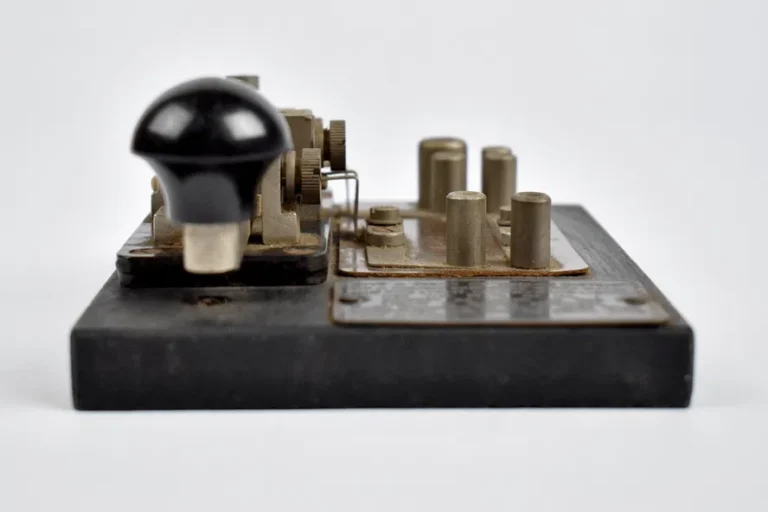
The letter c in morse code may appear like a small detail, yet grasping its meaning opens up an intriguing world of communication shaped by dots and dashes. For many learners, discovering morse code translation starts with recognizing how each character is represented, especially frequently used letters such as ‘c’. This article explains how the letter c appears in international morse code, explores related symbols, and demonstrates why understanding these essentials is valuable for anyone interested in coded messaging.
What is international morse code?
International morse code remains one of the most recognizable systems for sending messages over distance. Used worldwide, it allowed people to communicate efficiently even before modern digital technology emerged. Each character—whether a letter or a number—is assigned a unique pattern of signals, called “dit” (dot) and “dah” (dash), building a universal language that surpasses spoken dialect barriers.
This system goes beyond just text, covering numbers, punctuation marks, and special characters. Today, both enthusiasts and professionals rely on it for radio communications, signaling, and learning activities, showcasing the lasting appeal of the morse code alphabet and morse code symbols.
How is the letter c represented in morse code?
The letter c in morse code comes alive through a distinct sequence of dots and dashes. Recognizing this combination supports not only accurate morse code translation but also helps identify similar patterns throughout the morse code alphabet. Elements like timing, spacing, and sound all play roles in effective communication using morse code letters and numbers.
For those seeking clear answers, consulting a detailed morse code chart/table is invaluable. By memorizing key letters such as ‘c’, decoding and constructing messages becomes much easier for both beginners and advanced users.
Dots and dashes for c in morse code
The standard representation of the letter c in the international morse code system consists of two dashes separated by dots. The sequence is dash-dot-dash-dot, which gives this character its particular rhythm. This pattern sets it apart from other letters like k or r, ensuring messages are not misinterpreted during transmissions.
A closer look at the sequence makes it easy to remember:
- First signal: dash (–)
- Second signal: dot (·)
- Third signal: dash (–)
- Fourth signal: dot (·)
Visual and auditory cues for the letter c
Both visibility and audibility can dramatically improve learning for anyone practicing morse code translation. Instead of simply reading the sequence, listening to morse code audio/visual playback reinforces memory. Each component, whether longer or shorter, follows a defined interval. For the letter c, the pattern stands out—long-short-long-short.
Below is a quick table comparing c with a few other letters:
| Letter | Morse Symbol | Audio Rhythm |
|---|---|---|
| C | − · − · | long-short-long-short |
| K | − · − | long-short-long |
| R | · − · | short-long-short |
Expanding beyond the letter c: morse code alphabet essentials
Becoming comfortable with the entire morse code alphabet builds fluency and enables faster, more accurate morse code translation. True mastery involves understanding the context in which each symbol appears, creating confidence for both routine and challenging transmissions.
Including morse code letters and numbers enhances the ability to form complex messages. It quickly becomes clear why using a comprehensive morse code chart/table is essential for efficient learning. Well-organized resources simplify searching for not only letters, but also numerals and crucial morse code punctuation marks needed for clarity.
Morse code symbols: dots, dashes, and their variations
Each letter or digit receives its specific arrangement of dots and dashes, known as symbols. These combinations transform plain text into encoded sequences that anyone familiar with the rules can read. Consistency keeps messages reliable, while even minor changes alter meanings. A well-designed morse code chart/table serves as a visual reference for all possibilities.
Punctuation enriches communication. Symbols for question marks, periods, commas, and more are included within the morse code alphabet, helping maintain natural language flow in coded exchanges. Becoming adept at morse code punctuation leads to smoother real-world interactions.
Numbers and special characters in morse code
Numbers in morse code follow the same principles as letters. Every digit from zero to nine is represented by a unique five-symbol sequence. While seen less often than letters, familiarity with morse code letters and numbers is critical for complete comprehension and message exchange.
Sometimes, procedural signs, abbreviations, and emergency codes are added, providing shorthand for speed and efficiency. Exploring specialized morse code charts/tables reveals helpful patterns for memorization and practical application, whether in hobbyist contests or official maritime settings.
Morse code for other alphabets: diversity in global communication
Morse code translation reaches far beyond the Latin script commonly used in English. There are versions adapted for hebrew, arabic, and cyrillic alphabets, among others. These adaptations ensure native phonemes and linguistic nuances fit seamlessly into the established conventions of morse code symbols. As a result, individuals around the globe benefit from a truly universal coding system.
While not every letter or sound has a direct equivalent, creative modifications allow morse to remain useful regardless of the writing system. By learning local adaptations, operators address cultural differences while maintaining the consistent logic of international morse code.
Translating and adapting morse across scripts
Adapting morse code to different scripts can mean reusing existing sequences when possible or devising new ones that suit regional needs. For instance, some sounds found in arabic or cyrillic require carefully designed representations that still match accepted transmission speeds and readability guidelines.
Thorough morse code charts/tables often provide cross-script comparisons, enabling multilingual communicators to switch between languages easily. This flexibility fulfills one of morse code’s original goals—to unite people with shared symbols regardless of background.
Using morse code for visual and multimedia purposes
Modern learners increasingly use interactive tools to supplement traditional study. Morse code audio/visual playback apps create sounds or flashing lights for coded letters, including the letter c. This engaging approach appeals to various learning styles and accelerates progress at any level.
Beyond basic communication, morse finds its way into art, films, and games, keeping the tradition relevant in creative ways. As awareness spreads about its versatility, more individuals discover opportunities to integrate morse into daily life, education, or entertainment.
Common questions about c in morse code and related symbols
How is the letter c written in morse code?
The letter c in morse code is represented by the sequence dash-dot-dash-dot (– · – ·). Its rhythm is long, short, long, short. Memorizing this order helps individuals quickly recognize or transmit the letter c in any morse code translation.
- First: Dash (–)
- Next: Dot (·)
- Then: Dash (–)
- Last: Dot (·)
Where can one find a comprehensive morse code chart/table?
Comprehensive morse code charts and tables are available in textbooks, online platforms, and mobile applications. These resources include not just the morse code alphabet, but also numbers, punctuation, and symbols. Keeping a printed or digital version nearby aids quick reference and strengthens retention.
- Charts show letters A-Z with corresponding dot/dash forms
- Numerals have their own unique sequences
- Punctuation and extra symbols are usually listed separately
Is morse code used outside of the Latin alphabet?
Morse code has been adapted for many alphabets beyond Latin. Specialized versions exist for hebrew, arabic, cyrillic, and others, allowing speakers to use morse code translation in their own scripts. Typically, modifications reflect local phonetic features while observing core morse code symbols rules.
- Latin: Standard international forms
- Cyrillic: Custom mappings for letter values
- Hebrew/Arabic: Adapted to express unique consonants and vowels
Can someone listen to or view the letter c in morse code?
Many tools offer morse code audio/visual playback. Applications, online portals, and dedicated devices can generate the exact sound or flash of light matching the pattern for c in morse code. Practicing both hearing and seeing the signals boosts learning speed and comfort with live morse communication.
- Listen to recordings to distinguish dash and dot durations
- Watch flashes or screen pulses for each symbol