Translating letters into morse code is a fascinating journey for anyone interested in communication history or cryptography. The letter ‘z’ has its own specific place within the morse code alphabet, marked by a unique pattern. Gaining an understanding of the morse code for z is valuable not only for enthusiasts but also for those looking to decode, send, or interpret messages using sound, light, or text. Exploring its structure, history, and modern applications reveals much about this enduring system.
What is the morse code for z?
The morse code for z is made up of two dashes followed by two dots, written as “–..”. When spoken or tapped, it is described as dash dash dot dot. This clear and distinctive sequence helps ensure each letter can be identified accurately, even under less-than-ideal transmission conditions.
Because ‘z’ appears at the end of the English alphabet, recognizing its unique code is essential for complete morse code translation. Its dedicated pattern reduces the risk of confusion with other morse code symbols, keeping communications reliable between sender and recipient.
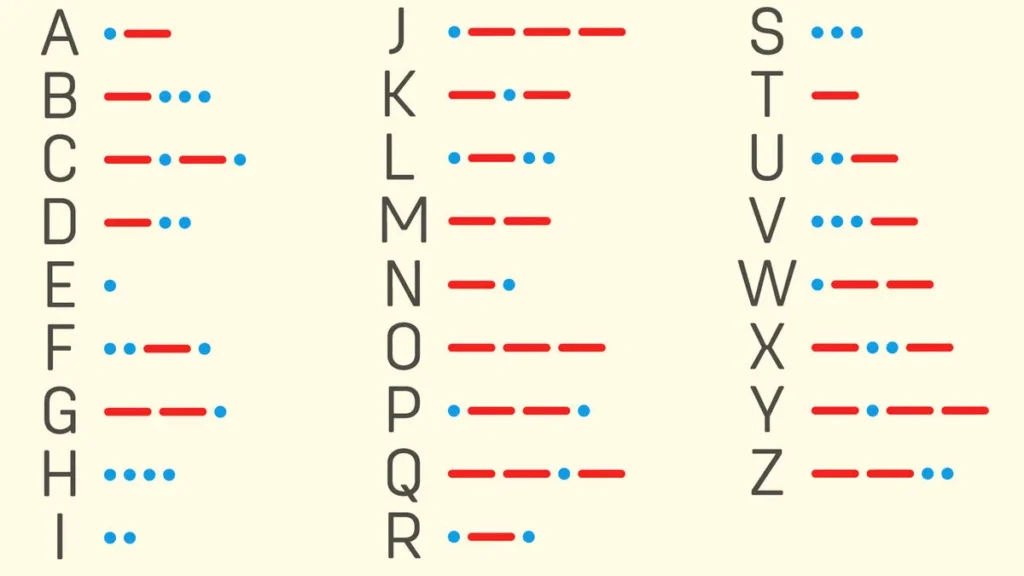
Origins and structure of the morse code alphabet
The morse code alphabet emerged in the 19th century as a standard for telegraph and wireless exchanges. Every character, including ‘z’, was assigned a specific combination of dots and dashes according to the international morse code standard (itu). This approach guarantees that messages are consistent and understandable worldwide.
Each letter from a-z and number from 0-9 receives a distinct arrangement of these simple elements. Such structured morse code representation allows anyone familiar with the system to efficiently encode or decode information, making global communication possible long before digital networks existed.
The role of dots and dashes in morse code symbols
Morse code symbols are built using just two basic components: dots (short signals) and dashes (longer signals). Every letter and numeral, such as the ‘z’ with its dash dash dot dot sequence, comes from different combinations of these signals. For example, while ‘a’ is simply dot dash, ‘z’ stands out with its longer pattern.
This clever use of limited elements makes morse code translation both concise and effective. It remains accessible for beginners while still being powerful enough for experienced operators who rely on accurate message delivery.
Comparing morse code for letters a-z
The morse code for letters a-z differs in both the number and arrangement of dots and dashes. Here’s a quick comparison of selected letters:
- A: .- (dot dash)
- B: -… (dash dot dot dot)
- C: -.-. (dash dot dash dot)
- Z: –.. (dash dash dot dot)
Each letter’s unique sequence prevents overlap, helping to minimize errors during morse code translation. Even when transmitting quickly, these patterns stay clear to trained listeners.
Encoding and input methods for morse code
Producing and writing morse code involves knowing the correct morse code symbols and maintaining proper spacing. To encode ‘z’, four pulses must be entered—two longer (dashes), then two shorter (dots)—with careful attention to timing or separation.
Today, several morse code input methods are available. Keyboard entry is popular: a period represents a dot, and a hyphen stands for a dash. Placing a space after each character distinguishes individual letters, which is crucial for precise morse code translation.
Interactive tools and training for morse code
Various morse code interactive tools support learning and practice of encoding letters like ‘z’. These platforms give instant feedback, simulate realistic scenarios, and help develop the muscle memory needed for sequences such as dash dash dot dot.
Regular practice using these resources enables individuals to improve both recognition and production of the entire morse code alphabet, covering numbers and punctuation marks as well.
Understanding representation and potential uses
Mastering morse code representation/encoding opens up communication without relying on voice or traditional text. Knowing how to express ‘z’ and other morse code for letters a-z or morse code for numbers 0-9 ensures that messages remain effective in emergencies or covert operations where modern devices may not function.
This system continues to serve roles in aviation, amateur radio, and naval communications, valued for its simplicity and resilience against technological disruptions.
Exploring morse code translation and usage tips
Converting regular text into dots and dashes is straightforward thanks to numerous online morse code translation tools. For instance, entering ‘z’ instantly yields –.., following the international morse code standard (itu). These services speed up the learning process and facilitate verification.
Here are practical strategies for mastering morse code for z and beyond:
- Practice tapping rhythms — create the pattern: dash dash dot dot
- Use keyboard emulators — assign keys for dots and dashes
- Memorize groups — break down the morse code alphabet into smaller sections
- Engage with audio trainers — listen and repeat various combinations
Frequently asked questions about z in morse code
What is the morse code for z?
The morse code for z is two dashes followed by two dots, displayed as “–..” and spoken as “dash dash dot dot.” This unique sequence sets ‘z’ apart from all other letters and follows the global morse code standard.
- Dash = long signal
- Dot = short signal
How does morse code represent all letters and numbers?
Each letter from a-z and each digit from 0-9 is given a specific series of dots and dashes, based on the international morse code standard (itu). This systematic approach avoids overlapping codes, making identification easy and reducing mistakes.
| Letter | Morse code |
|---|---|
| A | .- |
| Z | –.. |
| 0 | —– |
| 9 | —- |
Which morse code input methods work best for beginners?
Beginners often start with keyboard typing, using periods for dots and hyphens for dashes, with spaces separating characters. Interactive tools further simplify the experience and help develop the sense of rhythm that is key for accuracy.
- On-screen keyboards
- Audio simulation apps
- Physical key paddles for hands-on training
Why is accurate morse code representation important?
Accurate morse code encoding ensures that original messages reach their destination clearly. If signals are mistimed or mixed up, the meaning changes completely. Reliability in technical settings or emergencies depends on mastering every symbol, including the correct dash dash dot dot for ‘z’.