
Interest in morse code translation often starts with decoding individual letters. The letter ‘u’, while simple in appearance, holds an intriguing place within the system of dots and dashes. In international morse code, every character features its own distinct pattern. Exploring how ‘u’ is represented not only sheds light on the structure of morse code alphabets but also clarifies the principles behind encoding and decoding morse code. Whether consulting online morse code tools or a printed chart, mastering one letter at a time builds the foundation for fluency in this enduring method of communication.
The basics of morse code alphabets
Morse code alphabets have connected individuals across continents for generations, relying on telegraph wires and later radio waves. Each letter and number is conveyed through sequences of short and long signals—known as morse code symbols and signals. These coded combinations form the backbone of any morse code chart. For those eager to learn, most guides introduce letters first before advancing to numbers and special signs, ensuring a logical learning progression.
International morse code has become the universal standard, replacing earlier regional variants. Today, almost all global communications using morse code adhere strictly to this standard. This consistency guarantees that messages remain clear and understandable, regardless of the sender’s or recipient’s location, fostering seamless exchanges among professionals and hobbyists alike.
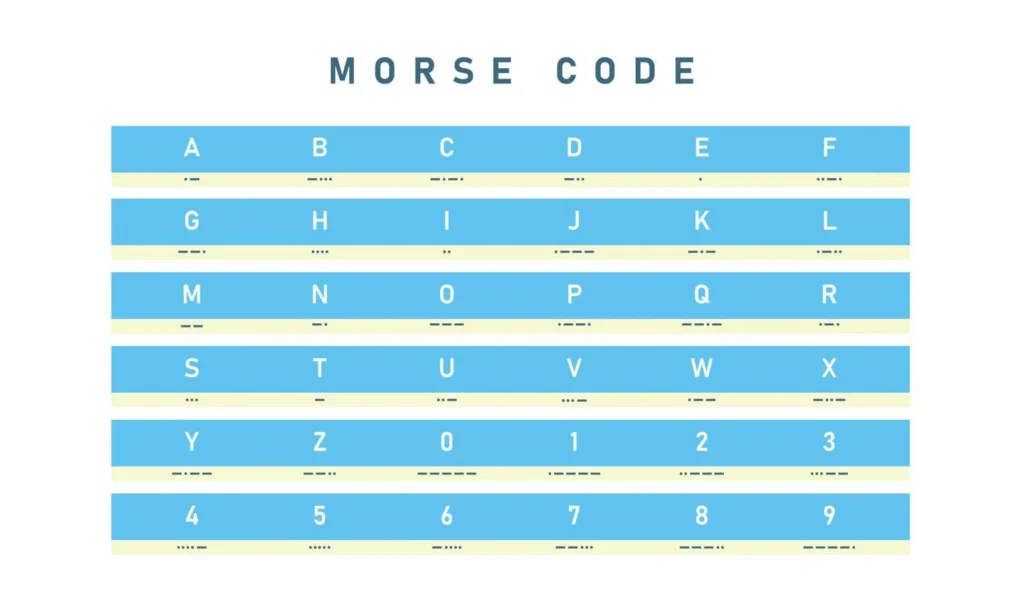
How does the representation of ‘u’ in morse code look?
The letter ‘u’ stands out with its distinctive rhythm in morse code for letters and numbers. Learning how ‘u’ appears enhances both speed and accuracy when translating words during practice. So, what exactly is the symbolic pattern for ‘u’?
‘U’ in morse code is written as two dots followed by a dash: ..-. Typing or tapping this sequence instantly identifies the letter. Most morse code charts display ‘..-‘ clearly, making the process of memorization straightforward and effective.
The logic behind the pattern
The assignment of ‘..-‘ to ‘u’ was intentional. Early creators of morse code alphabets aimed to reduce errors and increase efficiency by giving common letters shorter codes. With just three units, ‘u’ can be sent quickly, which is especially valuable during fast-paced or emergency transmissions. Such thoughtful design choices make encoding and decoding morse code smoother for everyone involved.
This concise structure benefits all learners. Since timing between dots and dashes must be precise, shorter combinations like ‘..-‘ provide ideal practice material for developing proficiency in both audio signaling and visual cues such as light flashes.
Morse code standards for global use
The representation of ‘u’ in morse code remains unchanged worldwide due to established international standards. Since the mid-twentieth century, these morse code standards have offered remarkable stability. Everywhere, ‘..-‘ signifies ‘u’, supporting consistent interactions among international groups, including amateur radio operators and maritime professionals.
These agreed-upon patterns are found in every comprehensive morse code chart and are fundamental to both manual and automated translations via online morse code tools. Such reliability is vital, particularly in critical situations where clarity prevents miscommunication.
Why learn the morse code translation for ‘u’?
Despite advances in modern technology, knowledge of morse code translation retains practical value in specific fields and scenarios. Recognizing the representation of ‘u’ in morse code—alongside other letters—is more than a pastime; it can be a crucial skill for professionals such as emergency responders, pilots, and sailors, especially when conventional equipment is unavailable or unreliable.
Mastering even a single character like ‘..-‘ for ‘u’ strengthens overall familiarity with morse code and improves translation skills. This step paves the way toward constructing longer phrases and entire sentences, expanding one’s abilities within this classic communication system.
Different methods for practicing encoding and decoding morse code
Regular practice is essential for reliably recognizing patterns such as ‘..-‘. Several effective strategies exist to accelerate learning, helping reinforce each morse code symbol and its unique rhythm. Exploring both traditional and digital techniques allows each learner to discover the approach best suited to their style and pace.
Developing proficiency in morse code for letters and numbers requires more than mental recognition—it demands muscle memory. Repeated practice transforms deliberate effort into swift, almost automatic responses over time.
Traditional hands-on training techniques
Historically, internalizing morse code symbols and signals relied on repetition through writing, speaking, or tapping routines. Creating a handwritten morse code chart supports retention, especially for those who benefit from tactile engagement. Regularly tapping ‘..-‘ while vocalizing “dit dit dah” (mnemonic for dots and dashes) further cements the letter ‘u’ in memory.
Some learners prefer flashcards, placing the plain letter on one side and its morse representation on the reverse. Shuffling and flipping through these cards encourages rapid recall, a valuable asset during real-life decoding situations.
Using online morse code tools for mastery
Digital resources have revolutionized practice. Online morse code tools offer opportunities to listen, type, or visually identify symbols—including ‘..-‘ for ‘u.’ Interactive morse code charts may pair audio playback with visual cues, providing multi-sensory reinforcement. Timed quizzes challenge learners to distinguish ‘..-‘ from similar patterns, sharpening recognition under pressure.
Many platforms incorporate gamification, motivating users with milestones such as perfect scores on the ‘u’ tests. Tracking progress boosts confidence and sustains interest, making the journey toward full morse code mastery enjoyable for all ages.
- Practice ‘..-‘ for ‘u’ daily with written drills
- Use an audio trainer to hear and tap out the rhythm of morse code symbols
- Consult a detailed morse code chart whenever in doubt about any character
- Mix flashcards into regular study sessions for random recall skills
- Explore online morse code tools for both manual and automatic translation
Common questions about ‘u’ in morse code and practical applications
What is the morse code translation for ‘u’?
The morse code translation for the letter ‘u’ is ‘..-‘. This means two dots, then one dash. On any standard morse code chart, ‘u’ will always be shown as ‘..-‘. For convenience, many online morse code tools allow entering the letter and immediately displaying or playing the equivalent symbol.
- Dot (.) = short sound or flash
- Dash (-) = long sound or flash
- ‘u’ = ..-
Are there different representations for ‘u’ between morse code standards?
International morse code, recognized since the early twentieth century, assigns ‘..-‘ to ‘u’ everywhere. No official variant standards exist for ‘u’ in modern usage. Any historical exceptions have faded as morse code standards became universally adopted.
| Letter | International Morse Code | Historic U.S. Variant |
|---|---|---|
| U | ..- | ..- |
Can online morse code tools help with learning the representation of ‘u’?
Absolutely, numerous online morse code tools provide interactive exercises that support efficient learning. Users can input letters or phrases, listen to the correct code, and repeat until the signal becomes second nature. Common features include:
- Visual and audio representations of ‘..-‘ for ‘u’
- Practice modules dedicated to challenging characters
- Quizzes and dashboards for tracking steady improvement
Why memorize morse code for letters and numbers like ‘u’?
Knowing individual letter codes enables transmission of whole words and phrases, especially in settings lacking modern technology. Letters such as ‘u’ appear frequently, so quick recognition accelerates all forms of communication. Group activities, routine drills, and frequent review of a morse code chart are highly recommended for achieving dependable mastery.