Morse code remains a source of fascination due to its rich history and straightforward logic. Each letter features a distinct pattern of signals, ensuring efficient communication even across long distances. The letter ‘h’ in morse code holds particular interest for its unmistakable structure and practical usage. Exploring the morse code representation of h offers insight into why this character stands out among others.
What is the morse code representation of h ?
Within international morse code, every letter is defined by a distinct sequence of dots and dashes. For ‘h’, the pattern contains only dots, making it both simple and memorable. When translating ‘h’ to morse code, four brief signals are sent—no dashes involved—which makes ‘h’ one of the most basic characters to encode or interpret.
The official morse code for ‘h’ appears as ‘….’. This means signaling four short marks consecutively without any break between them. The repetitive dot structure distinguishes ‘h’ from other letters that combine dashes with dots, reducing the chance of confusion during transmission.
Why does h have four dots in morse code?
The morse code alphabet was crafted for maximum efficiency. Frequently used letters were assigned patterns that could be sent quickly and recognized easily. Since ‘h’ occurs often in everyday language, especially English, granting it a simple symbol like four consecutive dots made logical sense. This design ensures ‘h’ can be identified instantly, unlike codes where dots and dashes alternate.
This direct representation also assists beginners when first consulting a morse code chart. Memorizing ‘….’ early on gives learners a confidence boost and a foundation before moving to more complex symbols found elsewhere in the morse code table.
How does the pronunciation of h in morse code work?
Pronunciation in morse code refers to the way operators mentally process or verbally express signal patterns while transmitting or training. The pronunciation of h in morse code involves saying or thinking “dot dot dot dot” at a steady pace, giving each tone equal spacing. In some instructional contexts, operators use “di-di-di-dit” when voicing sequences comprised only of dots, such as ‘h’.
The regularity of the ‘h’ sound makes it less susceptible to misinterpretation. Keeping the rhythm precise enhances accuracy, even in noisy conditions or over unreliable channels.
How to send h in morse code?
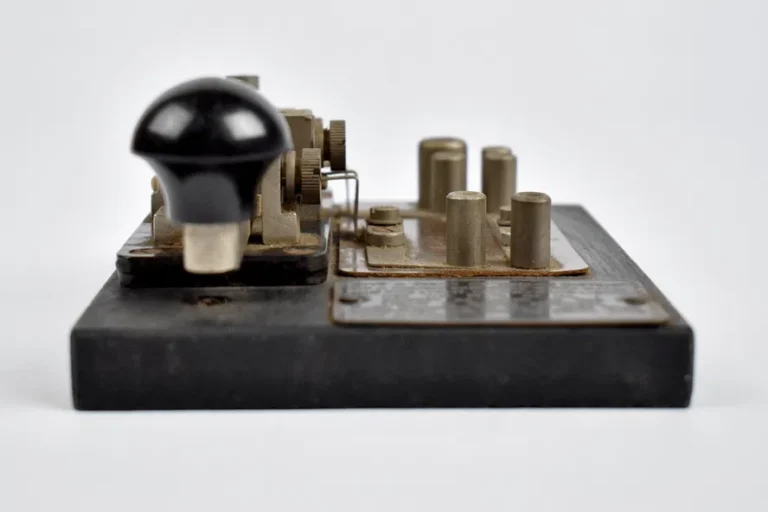
Sending ‘h’ simply requires pressing the signaling device or keyer in four quick, successive motions. Whether using light, sound, or physical taps, each dot should be strong yet brief to ensure clarity:
- Press, sound, or tap once: dot
- Pause briefly
- Repeat three times
No matter which method is chosen, keeping the timing uniform between each dot is crucial. Consistent pacing guarantees that the message will be understood clearly, especially when multiple words or names are being transmitted.
Meaning and uses of h in morse code
The meaning and uses of h in morse code extend beyond just spelling words. Occasionally, several ‘….’ patterns grouped together serve as error signals or requests for correction during transmissions. Because ‘h’ is so recognizable, it is frequently used in demonstrations and practice drills to teach proper spacing and maintain rhythm.
Mastering how to send and recognize ‘h’ builds overall fluency, particularly when working through longer messages or handling emergency communications where precision is essential. ‘H’ continues to be a reliable character in both learning environments and active use cases.
Comparing h to other letters in the morse code alphabet
Reviewing the morse code alphabet reveals that ‘h’ immediately stands out thanks to its sequence of four dots. Only a handful of other letters use repetitive dot structures, though they differ in number or mix in dashes. For example, ‘e’ is a single dot, while ‘s’ is three, forming a logical progression up to ‘h’.
Other letters, such as ‘v’ (dot dot dot dash), introduce variety by blending dots and dashes, helping to distinguish each visually and audibly on any morse code chart. The all-dot form of ‘h’ allows for instant recognition by anyone familiar with the full code table.
Practical tips for mastering the morse code for letters
Mnemonic devices and rhythmic associations
Many learners find it helpful to connect patterns to memorable phrases or rhythms. For example, repeating “beep beep beep beep” sets the morse code for ‘h’ to a catchy tune. Visual learners might draw four small dots in a row, reinforcing the sequence visually.
Regular practice with these mnemonic strategies solidifies recall. For group exercises, timed challenges in identifying or sending ‘h’ among mixed signals foster faster recognition and greater confidence under pressure.
Using a complete morse code chart or table
A dependable morse code chart/table lists every letter alongside its unique pattern of dots and dashes, acting as an invaluable reference. Having a chart nearby not only aids with ‘h’ but supports quick checks for any tricky letter. Comparing patterns side by side highlights differences between dot-heavy and dash-dominated codes.
Online interactive tools offer rapid self-testing, while printable tables make excellent companions for at-home study or outdoor practice sessions.
Key facts about morse code representation of h
The letter ‘h’ holds a reputation in international morse code for being exceptionally easy to transmit, hear, and remember. Its four-dot pattern delivers unmistakable information with minimal risk of error. Both newcomers and experienced operators rely on ‘h’ regularly because of its frequency and simplicity compared to other morse code for letters.
Experience shows that confidently recognizing and sending ‘h’ is a vital step toward fluency in morse code. Mastery of this basic pattern lays the groundwork for tackling longer words and more intricate signal combinations later on.
Common questions regarding h in morse code
What is the exact morse code for the letter h?
The morse code for the letter h consists of four dots in succession, written as ‘….’. This sequence is standard in international morse code and remains unchanged across languages. Sending four clear, short signals produces the correct letter every time.
How does h compare to other common letters in morse code?
The letter ‘h’ belongs to a group of characters that use only dots. Compared to ‘e’ (one dot), ‘i’ (two dots), and ‘s’ (three dots), ‘h’ increases the count by one each time. Consulting a morse code chart illustrates this gradual progression. Other frequent letters, such as ‘t’ (one dash), stand apart in both appearance and sound.
| Letter | Morse Code |
|---|---|
| e | . |
| i | .. |
| s | … |
| h | …. |
Can the pattern of h in morse code be confused with others?
The unique string of four single dots makes ‘h’ highly unlikely to be confused with any other letter within the morse code alphabet. Mistakes usually occur only if the sender fails to keep the dots evenly spaced or rushes the signals. Practicing accurate timing helps prevent nearly all errors.
- Transmit four evenly spaced dots
- Consult a trusted reference table when unsure
- Practice distinguishing between short and long signals
What are effective ways to learn the morse code for h?
Frequent, varied practice speeds up mastery of the morse code for h. Try writing out the pattern repeatedly, clapping or tapping the dot sequence on a solid surface, or repeating the sound aloud. Incorporating games or digital apps keeps learning engaging and reinforces memory.
- Write the sequence daily
- Clap or tap the four-dot pattern with a partner
- Compare with similar all-dot letters using a chart