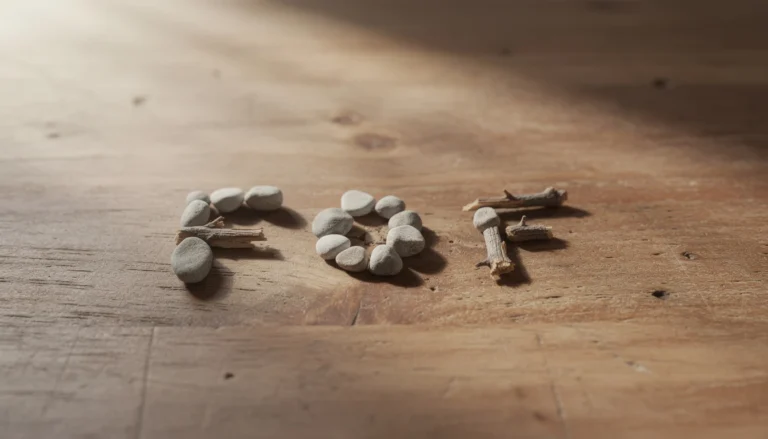
Morse code has captivated both enthusiasts and professionals for generations. By using a combination of dots and dashes, this unique communication method makes it possible to send messages across great distances without uttering a single word. The morse code alphabet assigns a distinct pattern to each letter, ensuring clear transmission even in challenging conditions. Despite rapid technological advancements, there is still lasting interest in how morse code letters function, both for practical use and their historical significance.
What is morse code?
Morse code is a communication system developed in the 1830s. It transforms text into sequences of short and long signals—known as dots and dashes—breaking words down into recognizable audio or visual representations. Many associate it with historic telegrams or naval signaling, yet its usefulness continues today, especially during emergencies and in radio communications.
The entire system is built on two core elements: the dot (short signal) and the dash (longer signal). These elements are combined to encode every character, including alphabetic letters, numbers, and select punctuation marks, forming what is recognized as the morse code alphabet. This extends beyond just English letters a to z, making it versatile for various applications.
The morse code alphabet and basic structure
The foundation of international morse code lies in giving each letter and number its own exclusive combination of signals. Learning often begins by memorizing these patterns, starting with the essential set of letters a to z before incorporating other characters.
Each morse code character consists of one to four dots and/or dashes. To speed up recall and communication, many enthusiasts rely on mnemonic techniques to remember these dot-dash codes more efficiently.
- A: .-
- B: -…
- C: -.-.
- D: -..
- E: .
- F: ..-.
- G: –.
- H: ….
- I: ..
- J: .—
- K: -.-
- L: .-..
- M: —
- N: -.
- O: —
- P: .–.
- Q: –.-
- R: .-.
- S: …
- T: –
- U: ..-
- V: …-
- W: .–
- X: -..-
- Y: -.–
- Z: –..
Numbers 0 to 9 in morse code
In addition to the alphabet, numbers 0 to 9 follow a defined arrangement of dots and dashes. Their systematic design makes them straightforward for beginners to grasp. Each digit uses exactly five signals, transitioning step-by-step from all dots to all dashes and the combinations in between.
- 0: —–
- 1: .—-
- 2: ..—
- 3: …–
- 4: ….-
- 5: …..
- 6: -….
- 7: –…
- 8: —..
- 9: —-.
This consistent pattern allows practitioners to rapidly identify any digit when transmitted through visual/audio formats.
Punctuation and special characters
Punctuation also finds representation within the international morse code chart. While used less frequently than letters or numbers, knowing how to send a period, comma, or question mark helps clarify messages and reduces misunderstandings.
- Period: .-.-.-
- Comma: –..–
- Question mark: ..–..
- Slash: -..-.
- Hyphen: -….-
Every punctuation symbol follows established conventions, which ensures consistency worldwide and minimizes miscommunication among those using morse code basics.
How are morse code letters used?
Morse code communicates information in both visual and audio formats, making it adaptable to a range of situations. Signals can appear as blinking lights, audible beeps, or even physical taps. This versatility helped secure its reputation for reliability over time.
Transmitting morse code letters may involve flashing a light, sounding a buzzer, or tapping on an object. In emergencies, such methods become vital when speech is impossible or electronic systems fail. This adaptability explains why the system remains popular among survivalists and amateur radio communities.
Learning to read and write morse code
Beginners are encouraged to start by familiarizing themselves with the morse code alphabet, gradually working through both common and less frequent letters. Consistent practice enhances recognition speed, turning groups of dots and dashes into instant associations with specific letters or numbers.
Numerous resources support learning, including printable charts, online quizzes, and smartphone apps. Regular repetition is essential for building proficiency, especially when practicing translations with a morse code translator to check accuracy and reinforce memory.
Applications today
Modern technology has not made morse code obsolete. It retains value in aviation instruments, maritime signaling, ham radio operations, and certain emergency protocols. Its adaptability stands out—unlike digital systems that require extensive infrastructure, morse code needs minimal equipment and very little power.
Acquiring knowledge of morse code offers rewarding experiences, whether for creative communication, real-life scenarios, or simply exploring a fascinating part of technological history.
Common questions about morse code letters
Which version of morse code is most widely used worldwide?
International morse code serves as the global standard. It differs somewhat from the original American morse code by simplifying several symbols for universal use. International morse code includes letters a to z, numbers 0 to 9, and essential punctuation marks.
- Used extensively at sea
- Adopted in aviation and ham radio
- Standardized globally since the early twentieth century
How can someone practice decoding morse code characters efficiently?
Effective practice means repeated exposure to both written and auditory forms. Switching between visual and audio formats strengthens recognition skills. Using timed drills, flashcards, and free morse code translator tools can help reinforce the dot-dash code for both letters and numbers.
- Create or download a morse code chart
- Practice translating simple words daily
- Use online listening exercises to sharpen auditory skills
Is learning punctuation in morse code necessary for beginners?
While focusing first on letters a to z and numbers 0 to 9 is recommended, acquiring some punctuation knowledge increases message clarity. As users advance, adding symbols like periods, commas, or question marks proves helpful, particularly when constructing complete sentences or formal messages.
- Clarifies sentence boundaries
- Reduces misunderstanding in longer transmissions
What kinds of careers or activities benefit from knowing morse code?
Morse code basics remain useful in fields such as amateur radio, search and rescue, military roles, and pilot training. Enthusiasts also enjoy recreational activities, competitions, or educational workshops where morse code challenges memory and technical skills.
| Profession / Hobby | Reason |
|---|---|
| Amateur radio operator | Connects globally, relays important messages |
| Emergency responder | Communicates when voice is not an option |
| Historian/Educator | Demonstrates historical communication techniques |
| Military/Naval personnel | Provides backup in radio silence or covert messaging |