Morse code captivates with its unique approach to encoding text using dots and dashes. Each character—whether a letter or a number—features its own distinct sequence. The letter r stands out due to its recognizable pattern, making it an interesting example for those interested in morse code translation. Gaining familiarity with this symbol brings any enthusiast closer to mastering communication through sound, light, or vibration.
The basics of morse code: understanding how it works
Morse code relies on two core elements: the dot (short signal) and the dash (long signal). By combining these, it becomes possible to represent letters, numbers, and special symbols. This system, first used with telegraph lines, still draws learners today because of its clear logic and adaptability across different mediums.
The strength of morse lies in its straightforwardness and efficiency. Simple signals can substitute spoken or written language, making it invaluable when other forms of communication are unavailable. From emergency use to amateur radio and modern mobile applications, morse code remains relevant and practical.
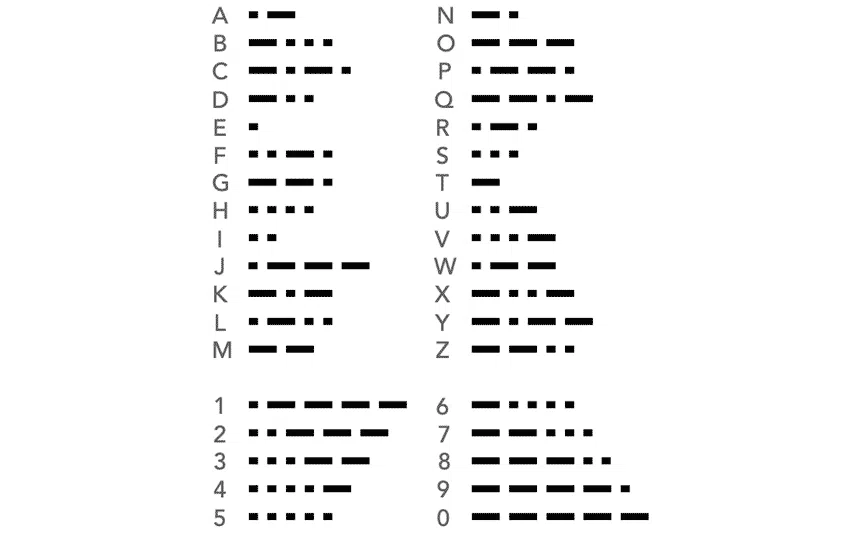
What is the morse code alphabet?
The morse code alphabet assigns unique sequences of dots and dashes to each letter. This creates a logical system that, with practice, anyone can decode. Although morse code charts may differ slightly by language, international morse code standards ensure global understanding and consistency.
While each code must be memorized individually, certain patterns make learning easier. For instance, E—the most frequent letter in English—uses only a single dot. Letters with similar sounds or frequency often share related structures, aiding memory during the process of learning morse code.
Morse code for letters and numbers: exploring the full range
Within the morse code alphabet, every alphanumeric character receives a distinctive string of signals. Letters A to Z and numbers zero to nine all have their own patterns, broadening the utility of morse well beyond spelling simple words.
- A: .-
- B: -…
- C: -.-.
- R: .-.
- 0: —–
- 1: .—-
Regularly reviewing a morse code chart helps reinforce these associations. Practicing both input and output methods increases fluency with each session, encouraging faster recognition and recall.
How is the letter r represented in morse code?
The morse code for letter r (. – .) features a dot, followed by a dash, then another dot. Breaking down this sequence builds strong recognition skills:
- First signal: dot (short pulse)
- Second signal: dash (longer pulse)
- Third signal: dot (short pulse)
This rhythmic structure distinguishes r from similar letters like k (-.-) and l (.-..). Fast identification supports accurate message transmission and interpretation, especially when time is critical.
How do morse code input and output methods work?
Advances in technology provide diverse ways to interact with morse code. Input methods include key devices, typed entry, touchscreen tapping, and software interfaces designed for custom signals. The choice depends on environment and available resources.
Morse code output options are even more varied. It is possible to play audio tones, flash lights, or trigger vibrations for tactile feedback. These different approaches serve everyone from hobbyists practicing at home to professionals signaling discreetly outdoors.
Popular morse code input methods
Morse code input technologies make sharing messages accessible across many platforms. Classic telegraph keys remain popular among purists, while mobile apps allow users to tap messages using smartphones. Voice recognition, touchscreen gestures, and keyboards further streamline entry for clarity and speed.
Accessibility features such as switch controls support those with limited mobility, broadening the reach of morse. Consistent rhythm and timing, regardless of device, improve the accuracy of transmissions.
Innovative morse code output methods (play, flash, vibrate)
Today’s output methods extend far beyond audible beeps. Light-based signals, such as flashing LEDs or screens, enhance visibility even in noisy environments. Vibrations create haptic alerts for private notifications. Some messaging apps now integrate morse output for fun or accessibility.
Combining different input and output techniques personalizes the morse code translation experience. Experimentation with multi-sensory delivery reinforces memory and adapts to various settings.
International morse code standards and their significance
Worldwide coordination ensures the reliability of morse code. International morse code standards define accepted sequences, keeping operators synchronized. Standardization means effective communication regardless of language or background, essential for emergency responders and enthusiasts alike.
These standards also specify timing between dots, dashes, and characters. Following consistent conventions prevents miscommunication and avoids errors in interpreting or transmitting signals.
How does morse code translation take place?
Translating plain text into morse involves matching each symbol to its corresponding dot and dash pattern. Software tools automate this conversion, while manual translation sharpens mental agility. Both digital and analog systems are reliable, provided they follow standard morse code charts.
To read incoming messages, one must recognize the tempo and length of each element. Proficiency grows with exposure—listening, watching, or feeling for repeating signature patterns, especially when decoding familiar letters like r (. – .).
Why learn morse code?
Learning morse code enhances cognitive skills and observation. Regular practice promotes focus, precision, and rapid problem-solving. Whether for recreation or emergencies, knowing morse provides preparedness in a variety of situations.
Mastery of the morse code alphabet opens doors to history, new communities, and improved technical literacy. Enthusiasts—from gamers to survivalists and linguists—discover ongoing challenges and rewards as they expand their knowledge of letters and codes.
Frequently asked questions about the letter r in morse code
What is the exact morse code for letter r?
The morse code for letter r is . – ., meaning dot, dash, dot. This series translates to a short pulse, a longer one, and then another short pulse. Recognizing this order sets r apart from nearby letters.
- Dot (.) – short sound or flash
- Dash (-) – longer sound or light
- Repeat: Dot (.)
How does morse code translation work?
Morse code translation converts each letter or number into a pattern of dots and dashes according to the morse code alphabet. Charts and tables enable quick encoding and decoding for communication. While software streamlines the process, manual training improves fluency and long-term recall.
- Consult a morse code chart to find each letter’s representation
- Match written symbols to their signal sequence
Which input methods are best for learning morse code?
Beginners benefit from basic tapping or keyboard input to internalize morse timing. As skills develop, telegraph keys, phone tapping, and computer simulations offer hands-on experience. Combining several input methods accelerates confidence and strengthens muscle memory.
- Physical tapping on a surface
- Dedicated morse code keys or paddles
- Mobile apps and web platforms
Are international morse code standards universally accepted?
Yes, international morse code standards clearly define every letter and number. Most official communicators and amateur radio operators adhere to these rules. Such consistency enables collaboration and comprehension worldwide, reducing risks of confusion or mistakes.
- Standard characters for the entire alphabet and numerals
- Consistent timing between symbols and pauses
| Letter | Code |
|---|---|
| R | .-. |
| S | … |
| T | – |