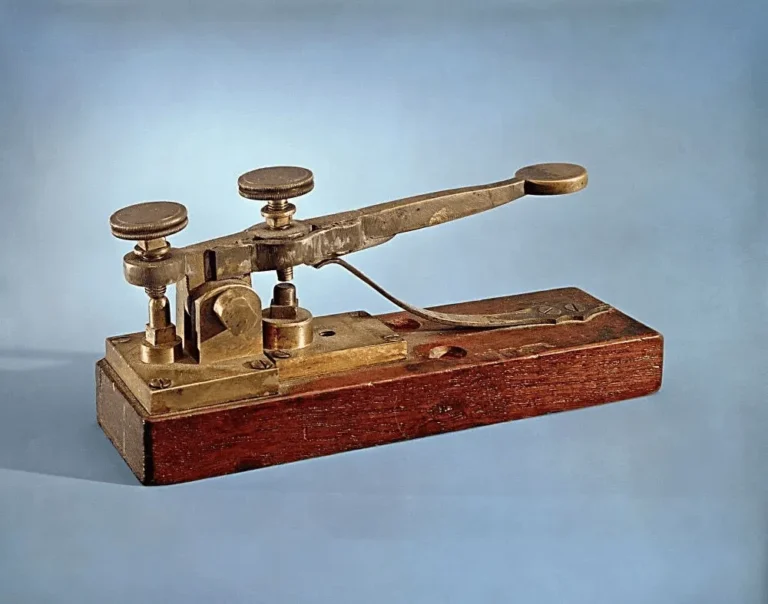
Morse code carries a long legacy of simplicity and clarity. Each letter is translated into unique combinations of dots and dashes, enabling communication across distances where voice or traditional text are impossible. Among these symbols, the letter ‘I’ stands out as one of the simplest characters. Those interested in exploring Morse code—whether for curiosity, learning, or practical use—often begin with the basics, and understanding how the letter ‘I’ is represented creates a solid foundation.
What does the letter ‘I’ look like in Morse code?
The representation of ‘I’ in Morse code alphabets and symbols is straightforward: it consists of just two dots. This minimal combination allows learners to quickly recognize it among other signals. Upon seeing or hearing ‘..’, both beginners and experienced hobbyists can immediately identify the letter ‘I’ thanks to its brevity.
Morse code operates on the principle that each symbol corresponds to a sound or visual cue—a dot (a short beep or flash) and a dash (a longer duration). With only dots present, ‘I’ delivers its message in the most efficient way possible.
How to write and recognize ‘I’ using dots and dashes?
Writing the letter ‘I’ in Morse code becomes instinctive after some practice. The process emphasizes rhythm and timing, so distinguishing between letters such as ‘E’ (.) and ‘I’ (..) involves recognizing brief pauses and intervals. For those new to translating text to Morse code, practicing the dot pattern for ‘I’ helps develop the skill to notice subtle variations throughout the system.
While transcribing by hand or tapping out messages, many find it helpful to count beats or visualize small marks. Morse code audio playback also aids memory retention, especially when interactive tools offer play-and-repeat features for each character, including ‘I’.
Morse code for letters and numbers: putting ‘I’ in context
Learning an individual letter’s code becomes more effective when considered within the larger system. Morse code alphabets and symbols cover every letter from A to Z, along with numerals and punctuation. Recognizing patterns—like the increase in complexity for less common letters—enables users to navigate translations fluently.
In this context, ‘I’ stands out as one of the shortest codes, rivaled only by ‘E’ and ‘T’. Numbers use sequences of five dots and dashes, resulting in longer patterns. Translating Morse code to text relies on this orderly mapping between standard English and distinct sound-symbols.
Comparing ‘I’ to other simple Morse code letters
Alongside ‘I’, several other Morse representations contain only dots or dashes. For instance, ‘S’ uses three dots, while ‘H’ employs four. ‘E’ is even briefer with a single dot. On the opposite end, the code for ‘M’ is simply two dashes. These minimalist codes form the backbone of quick communications and show why Morse code became popular for speed and efficiency in telegraphy.
Consistent exposure through Morse code translation tools makes it easier to spot and understand such differences. Digital platforms highlight each letter’s signature pattern, allowing formal learning environments and independent study to reinforce key concepts with real-time translation.
Using online Morse code converters to learn and practice
Technological advancements have made Morse code accessible far beyond the days of bulky telegraph machines. Online Morse code converters simplify the process, letting individuals enter any phrase—including isolated letters like ‘I’—and instantly see, hear, or copy the Morse equivalent.
Many digital solutions provide more than static conversions; interactive Morse code tools help produce audio playback, training listeners on short codes such as ‘..’. By combining visuals with sound, these converters strengthen recall for both casual participants and those preparing for radio transmission exams.
The history of Morse code and the evolution of its usage
Understanding where the letter ‘I’ fits requires looking back at the rich heritage of Morse code. Developed in the early 1840s by Samuel Morse and Alfred Vail, the code prioritized simple, repeatable patterns suitable for rapid transcription via electrical pulses over telegraph wires. Its intuitive pairing of frequent letters with shorter codes gave rise to enduring conventions, with ‘I’ epitomizing the system’s straightforward design ethos.
Over the decades, Morse code facilitated global communication—first on landlines, then aboard ships, during wars, and later in aviation and amateur radio communities. Translating Morse code to text, particularly for brief signals such as ‘I’, allowed critical information to travel immense distances without loss of clarity or meaning. As digital alternatives emerged, Morse code shifted toward education and hobbyist circles, where renewed interest drives new resources and learning platforms.
The enduring importance of Morse code alphabets and symbols
Despite evolving technologies, Morse code alphabets and symbols remain valuable for emergency signaling, cryptography, and recreational activities. Scouts, amateur radio operators, and search-and-rescue teams keep these skills alive—not least because Morse transcends language barriers and equipment limitations.
The short debut of ‘I’—as two consecutive dots—is still taught and practiced, forming part of larger drills and signal exercises worldwide. Morse code for letters and numbers seamlessly adapts to auditory, visual, and tactile methods, offering accessibility and inclusivity across diverse learning needs.
Interactive and creative uses of Morse code today
Modern enthusiasts experiment with Morse code beyond traditional applications. Smartphones and smartwatches sometimes offer vibration alerts that follow Morse-dot sequences, including the ‘I’ pattern. Musicians integrate rhythm-based codes into compositions, challenging listeners to decode secret messages within melodies.
Escape rooms, educational games, and coding clubs introduce younger generations to the logic and fun of translating text to Morse code. In these interactive settings, recognizing simple letters—especially ones like ‘I’—becomes second nature, building confidence before tackling more complex messages and sentences.
- ‘I’ in Morse code: .. (two dots)
- Shortest Morse code letters: E (.) and T (-)
- Tools for practice: online converters, audio playback, tactile simulators
- Main uses: communication, emergency signaling, learning exercises
Common questions about ‘I’ and Morse code learning
What is the Morse code for the letter ‘I’?
The letter ‘I’ in Morse code is written as two dots (..). Both dots should be quick and evenly spaced. Learning to distinguish these short sounds makes recognizing and using ‘I’ easy, especially when comparing it with longer codes.
How do online Morse code converters help with learning?
Online Morse code converters allow typed words or single letters to be instantly translated to dots and dashes. Many feature audio playback and visual pointers, helping users memorize individual patterns such as the code for ‘I’. Key benefits include adjustable speeds and immediate feedback.
- Translates text to Morse code and vice versa
- Audio output for listening practice
- Visual display of dots and dashes
Where can someone practice hearing and sending Morse code for ‘I’?
Practice can happen using various tools such as apps, websites, or dedicated keyers. Interactive Morse code tools and training software let users listen to repeatable samples, test recognition, and recreate the pattern for ‘I’ themselves. Group activities or online forums often share downloadable resources too.
- Web-based simulators with audio and visual cues
- Smartphone applications with custom speed control
Why is the code for ‘I’ so short in Morse code?
‘I’ receives a brief code due to Morse code’s design: common letters get shorter signals to speed up transmission. Since vowels like ‘I’ frequently appear in words, a minimal-length code makes manual or audio communication faster and easier to transmit and interpret.
| Letter | Morse Code | Length |
|---|---|---|
| E | . | 1 |
| I | .. | 2 |
| S | … | 3 |