Morse code stands as a fascinating bridge between history and technology, captivating those interested in communication systems. The unique way each letter is encoded—especially less common ones like ‘x’ in morse code—reveals much about the system’s practicality and logical structure. For anyone exploring how to write or identify the morse code for x, there is value in understanding the careful arrangement of these iconic sequences of dots and dashes.
Breaking down the morse code representation for x
The letter ‘x’ appears infrequently, making its morse sequence less familiar than more commonly used characters. According to international morse code standards, every letter receives a distinct combination of short and long signals. These elements, known as morse code symbols—dots and dashes—form both an audible and visual language recognized by enthusiasts and professionals worldwide.
Learning the specific encoding for ‘x’ proves useful when interpreting messages, practicing encoding, or delving into fields such as aviation and maritime communications where morse code still plays a role. Understanding how to write or encode x in morse code also enhances appreciation for the systematic design behind this classic language.
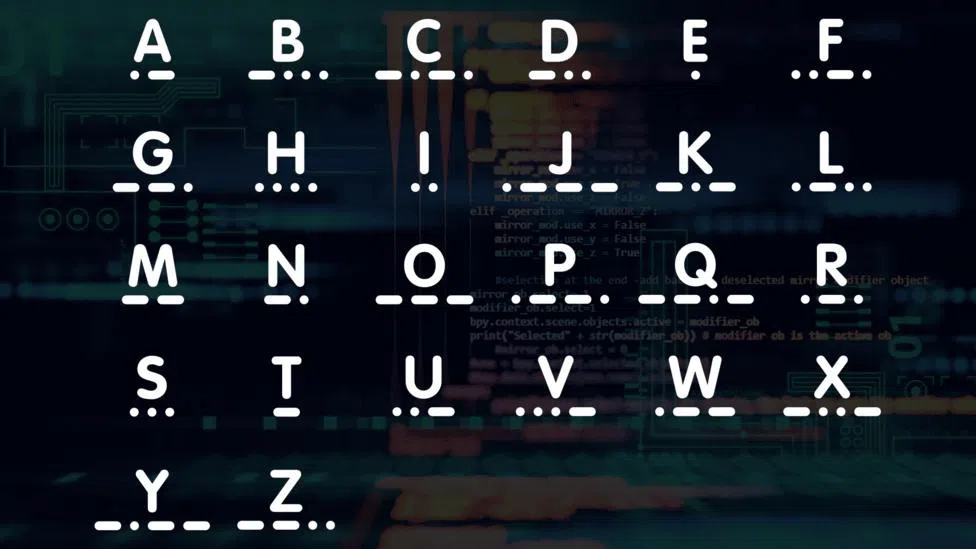
What is the actual morse code for x?
The morse code representation for x features a pattern of symbols that becomes memorable with practice. Adhering to international morse code standards ensures consistency around the globe, regardless of who transmits or receives the character “x”.
Specifically:
- Letter ‘x’ in morse code: -..-
- This translates to dash, dot, dot, dash
- The audio rhythm matches other letters, maintaining uniform timing within and between each symbol
- No pauses appear inside this sequence; a smooth delivery marks correct transmission
Recognizing this sequence supports transcription and translation efforts, especially during manual conversion or when consulting a morse code chart/list.
Many rely on morse code translator tools to decode and practice combinations like this. Such resources allow input of text or codes, providing instant feedback and correction. Enthusiasts aiming for proficiency often use these aids while mastering morse code for both letters and numbers.
Comparing morse code for letters and numbers
Morse code enables rapid transmission of any alphanumeric message. Each symbol—letter or number—is constructed according to clear rules. Comparing the encoding of letters such as ‘x’ with that of numerals highlights key differences in morse code conversion methods.
The morse code phonetic alphabet organizes letters for clarity, particularly in noisy environments. Numbers, on the other hand, are built using systematic patterns based on repetition and positional logic of dots and dashes.
How do the code patterns compare?
A quick glance at any morse code chart/list reveals distinctive sequencing. For example:
- ‘x’: -..-
- ‘1’: .—-
- ‘4’: ….-
- ‘z’: –..
The placement and order of dashes and dots reflect a well-organized system, aiding memorization. Morse code conversion methods leverage these relationships, helping learners efficiently decode unfamiliar messages.
One will notice that numbers generally have longer sequences than most letters, providing extra protection against errors, especially over weak radio transmissions.
How are special characters and punctuation handled?
Morse code for special characters uses various combinations outside the traditional alphabet. Marks such as periods, commas, and slashes receive unique patterns. While ‘x’ stands as a standard letter, knowing all possible signs is essential for full comprehension in both listening and sending situations.
These additional encodings expand basic communication possibilities, supporting nuanced expression similar to modern digital messaging. Some charts include keys for symbols like ‘@’ or ‘=’ alongside the usual letters.
- Example: period (.) in morse code is .-.-.-
- Slash (/) uses -..-.
Mastery of both standard and extended characters equips communicators for every scenario, from simple names to technical details.
Morse code translation in practical settings
Interest in morse code today spans recreational puzzles, historical preservation, and practical emergency use. Many hobbyists employ morse code translator tools to convert written words—including rare letters like ‘x’—into rhythmic beeps and flashes reminiscent of early wireless communication.
Despite technological advances, morse code offers a reliable fallback when electronic networks fail. Knowing the encoding of each letter, supported by effective morse code conversion methods, brings confidence in emergency and field situations.
Where does one encounter morse code today?
Although mainstream usage has declined, certain communities maintain strong morse traditions. Amateur radio operators often learn the morse code phonetic alphabet to pass certification exams. Museums and historical reenactments keep authentic signaling alive, sometimes inviting visitors to try encoding or decoding real phrases.
Special events and contests challenge participants to transmit complex strings, including uncommon characters like ‘x’. This preserves the art for future generations and sparks curiosity about international morse code standards and global connectivity.
Learning aids and reference guides
Progress with morse code depends on access to reliable materials. Digital morse code chart/list pages help visualize the entire set of codes, supporting beginners through repeated exposure. Flashcards, mobile apps, and interactive platforms reinforce recognition skills and help with memorization of tricky entries like ‘x’.
These references often provide both audio samples and written forms, clarifying subtle differences between similar patterns. The ability to cross-reference these resources increases speed and accuracy, especially for independent learners without direct instruction.
Common questions about x in morse code and related topics
What is the exact morse code representation for the letter x?
The letter ‘x’ in morse code is written as ‘-..-‘. This sequence means dash, dot, dot, dash. Familiarity with this pattern grows with repetition and by consulting a morse code chart/list.
- Dash (-)
- Dot (.)
- Dot (.)
- Dash (-)
How do morse code translator tools help with learning or converting x?
Morse code translator tools simplify the process of converting text such as ‘x’ into its proper dot-and-dash format. Users can enter letters or whole words and receive instant visual and auditory feedback. These tools support practice, self-correction, and comparison with official standards.
- Instant code conversions
- Audio playback for reinforcement
- Comprehensive code lists included
Does morse code include symbols for special characters and how are these listed?
Morse code goes beyond just letters and numbers; it includes punctuation and symbols required for complete messages. These are typically presented at the end of a morse code chart/list and feature unique patterns to distinguish them from letters. For instance, the period (.) and slash (/) have their own morse representations.
- Period: .-.-.-
- Comma: –..–
- Slash: -..-.
- Question mark: ..–..
| Character | Morse Code |
|---|---|
| / (slash) | -..-. |
| . (period) | .-.-.- |
Why does morse code for x follow the dash-dot-dot-dash format?
Every letter in morse code is assigned a distinctive pattern to avoid confusion during fast transmission. The combination ‘-..-‘ for ‘x’ was selected to clearly differentiate it from similar letters, ensuring clarity across languages and operational contexts. International morse code standards determined these assignments based on simplicity and recognizability.
- Unique patterns support quick identification
- Fewer errors in real-world communication
- Uniformity across countries and devices