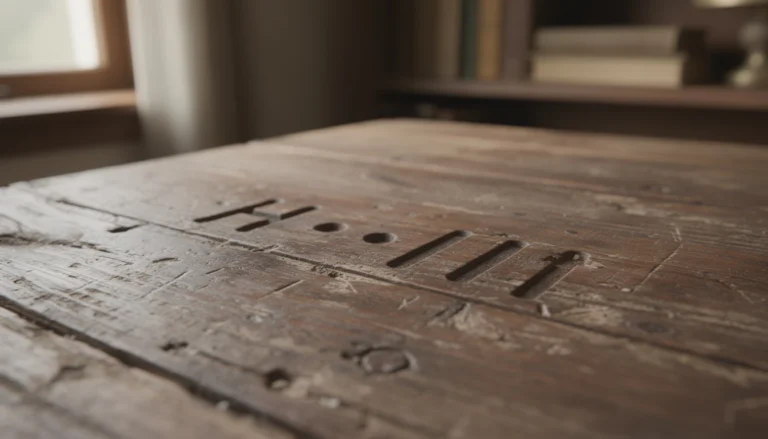
The letter q in morse code holds a special significance for anyone interested in the world of radio communication and its rich history. The rhythmic representation of morse code enables messages—even complex ones—to be transmitted quickly across long distances. Exploring the morse code representation of q provides insight into international standards, the function of q codes in real-world contexts, and the reasons behind their importance in aviation, maritime, and amateur radio communication.
Decoding the letter q in morse code
Each symbol or letter in morse has a unique rhythm. For q in morse code, there is a clear sequence created from dots and dashes—short and long sounds or flashes. Many are curious how this signal appears or sounds, especially when starting out with a morse code translator or practicing by hand.
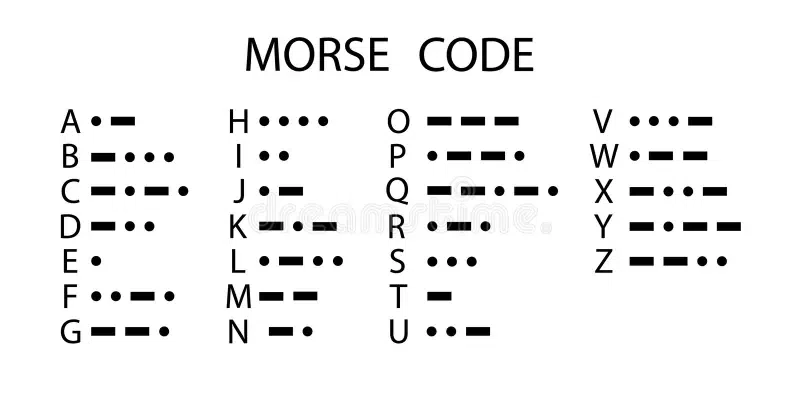
The morse code representation of q is –.-, which translates as two dashes, one dot, and another dash. It is crucial to space each component correctly, following the rules set by international morse code. Mastering the timing between these elements helps prevent confusion, since similar patterns may represent entirely different letters if not transmitted accurately.
Understanding morse code representations and rhythms
Morse functions not only through patterns but also through rhythm. Sending the letter q involves a “long-long-short-long” beat. This distinctive pattern is simple to memorize but requires regular practice for instant recognition, especially over noisy channels or poor connections.
Timing plays a vital role in keeping transmissions clear. According to international morse code rules, each short (dot) lasts one unit; each long (dash) takes three units; gaps within a letter are one unit wide, while spaces between letters last three units. Such precise differences ensure reliable decoding worldwide.
Rhythmic representation of morse code
Practicing the rhythmic representation of morse code enhances both speed and accuracy. For q, the rhythm follows: daah-daah-dit-daah. Repeating this rhythm aloud, tapping it on a surface, or using light signals can help solidify the pattern. This technique forms the foundation for advanced uses, including high-speed telegraphy competitions and professional signaling under pressure.
This rhythmic learning method proves especially effective for beginners. Instead of memorizing visual sequences, associating each letter with its musical-like beat accelerates memory retention and improves message transcription skills.
Morse code translator tools
Modern learners benefit greatly from digital morse code translators. These tools convert text into morse audio or visuals instantly, allowing exposure to traditional sound-based training and interactive exercises. Translators offer valuable feedback for practice, accuracy checks, or preparing for formal radio exams.
While manual transmission remains essential, technology simplifies the early steps. A combination of rhythmic repetition and translator usage creates an effective approach for studying the meaning of q in morse code and advancing to more complex transmissions later.
Q codes and prosigns in morse code: what do they mean?
Morse code abbreviations enable operators to send detailed messages efficiently. Among these, q codes in morse code stand out due to their long-standing use in critical sectors. There is often curiosity about how these codes differ from other standard signals called prosigns in morse code.
Q codes were developed as universal shorthand. Each consists of three letters beginning with q, covering topics relevant to radio communication worldwide.
Importance of q codes in morse code
Q codes in morse code transformed global communication. Introduced in the early 20th century, these codes allowed radio operators to overcome language barriers. Examples such as QTH (“My location is…”) and QRZ (“Who is calling me?”) made exchanges faster and more accurate, benefiting air and sea traffic networks alike.
Pilots, mariners, and ham radio enthusiasts continue to rely on these codes today. Their efficiency, brevity, and universal recognition make them foundational vocabulary for professionals and hobbyists everywhere.
Prosigns in morse code
Unlike q codes, prosigns in morse code combine several characters without spacing to convey procedural instructions. Common examples include AR (end of message) and SK (end of contact). While not words themselves, prosigns guide the flow of communication, replacing longer written directions between stations.
Both systems—the concise nature of q codes and the streamlined procedures of prosigns—showcase how morse has evolved beyond simply spelling individual letters like q, now supporting dynamic exchanges during emergencies, navigation, and everyday communication.
Uses of morse code q in transportation and communication
Morse signals, including those starting with q, have played a major role in global safety, coordination, and operational efficiency. Various branches of the transportation industry depend heavily on these methods to maintain seamless communication.
Whether delivering weather updates, requesting position reports, or organizing search and rescue efforts, clarity in transmission is vital. The specific meaning of q in morse code changes with context, highlighting its broader significance beyond just a single letter.
Aviation communications
Aviation experts regularly reference q codes. Notable examples include QNH (altimeter setting), QFE (field elevation), and QSY (change frequency). Pilots and controllers favor these codes for rapid, clear exchanges, reducing risks and saving time in flight operations.
The advantages are global: all trained personnel follow the same definitions regardless of native language. This commitment to standardization is central to maintaining safety in fast-paced environments.
Maritime and amateur radio applications
Both shipping lanes and amateur radio operators rely on morse code abbreviations for efficient coordination. Knowing the morse code representation of q ensures that important details are transmitted clearly, even when voice channels fail due to technical issues.
For instance, naval officers might use QRA to identify call signs or QRL to check if a frequency is occupied. Amateur radio users adopt similar practices, connecting tradition with practical problem-solving, even amidst modern technologies.
- International morse code assigns unique sequences to each letter and number, supporting diverse communication needs.
- Learning the rhythmic representation of q builds reliable muscle memory for confident sending and receiving.
- Digital morse code translators simplify the early learning process, but hands-on practice remains essential.
- Q codes, prosigns, and abbreviations keep global messages efficient and universally understood.
- Critical fields like aviation and maritime safety depend on standardized morse protocols.
Common questions on morse code q and related topics
What is the exact morse code representation of q?
The letter q in morse code is shown as –.- (dash dash dot dash). Each part must follow precise timing conventions so that messages remain easy to understand. Recognizing this sequence allows correct transmission using sound, light, or tapping techniques.
- Two dashes: the first two long signals
- One dot: a single short signal
- One final dash: another long signal completes the character
How are q codes in morse code used in transportation?
Q codes in morse code are widely used in aviation, maritime, and railway communications. They condense entire phrases into three-letter groups, promoting quick understanding among operators from various backgrounds. Consistent application enhances coordination, saves lives, and reduces errors in transmission.
- Pilots exchange pressure and frequency information using q codes.
- Ship captains confirm positions, status, or requests with established q expressions.
- Amateur radio users rely on these codes during contests or emergencies.
Why does the rhythmic representation of morse code matter?
Mastering the rhythmic representation of morse code prevents misinterpretation and mistakes, particularly at higher speeds or in challenging conditions. Rhythm transforms patterns into familiar cues, making comprehension almost automatic for experienced operators. Structured practice with rhythm strengthens skill development much faster than rote memorization alone.
- Improves accuracy
- Speeds up response times
- Ensures clear messaging under stress
Are there online resources to help learn the meaning of q in morse code?
Many platforms now provide morse code translators and tailored training modules for learners at every level. These resources deliver instant feedback, reinforcing proper timing, sequencing, and the context of signals like the letter q. It is always best to combine digital training with personal practice for full mastery of manual sending and listening skills.
- Interactive trainers simulate sending and receiving
- Audio libraries teach rhythm and sound variations
- Printable charts highlight common abbreviations and q codes