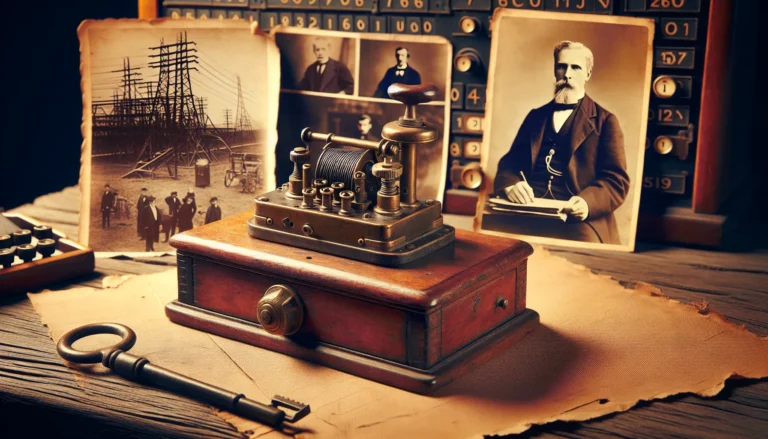
Delving into Morse code translation often reveals fascinating details, especially when examining individual letters like “L.” Each character has its own distinct rhythm and sound, making Morse code a creative form of communication. While some symbols are quite simple, others such as the morse code for letter L (. – . .) bring an extra layer of intrigue for enthusiasts. This overview uncovers what makes “L” unique, how it fits into the morse code alphabet, and tips for recognizing or translating it efficiently.
What is morse code representation?
Morse code representation encodes text using sequences of short signals called dots and longer ones known as dashes. This system stands as a cornerstone of telecommunications history. The international Morse code standard assigns precise patterns to every letter, number, and punctuation mark, ensuring uniformity across languages and countries.
With these combinations, people have sent messages across continents, issued distress calls, and even spelled out names using only sound or light. Grasping the basics of dots and dashes—and consulting a complete morse code chart/table—makes deciphering messages accessible to all interested learners.
- Each letter or numeral receives a unique sequence of dots and dashes.
- A brief pause separates each symbol within a character, with a slightly longer space between characters themselves.
- Letters may sound similar but rarely share the same combination.
How does the morse code alphabet work?
The entire English alphabet is carefully encoded within this elegant system. Each letter corresponds to a specific series of blips or beeps—a dot or a dash—arranged according to formulas established by Morse and Vail in the 19th century. Thanks to the international Morse code standard, anyone worldwide can decode any message with practice and access to a reliable morse code chart/table.
This simplicity means anyone can learn to send or receive messages, whether tapping manually or transmitting through radio waves. The classic morse code pronunciation style uses terms like “di” (for dot) and “dah” (for dash), which aids memorization and recognition during practice.
Where does the letter L fit into the system?
The morse code for letter L holds a special place in the full alphabet. Its pattern—. – . .—features two dots, a dash, then another dot, creating a memorable rhythm. In audible form, it is pronounced “di dah di dit,” setting it apart from other letters. Those familiar with this flow find encoding or decoding “L” almost second nature.
This arrangement distinguishes “L” from letters like “E” (.), “T” (-), or “C” (- . – .), emphasizing the balance between brevity and uniqueness found throughout the morse code alphabet. Committing these patterns to memory proves invaluable, particularly when scanning or listening to fast transmissions.
How can the letter L be used in practical situations?
Knowing the morse code for letters such as “L” goes far beyond beginner exercises. Whether sending concise messages in emergencies or engaging in educational activities, mastering “. – . .” unlocks numerous opportunities. Scouts, survivalists, and amateur radio operators regularly put these skills to use in real-world scenarios.
Recognizing the morse code for letter L becomes easier with repetition and familiarity. Common applications include identifying initials, silent communication, or adding secret flair to personal notes among friends or hobbyists. Despite rapid advances in technology, Morse code maintains its relevance in today’s digital landscape.
Why use morse code translator tools today?
Modern morse code translator tools provide quick conversion of regular text into corresponding Morse sequences. Converting phrases, names, or single characters like “L” becomes more efficient using these resources. Simply inputting text results in immediate text to morse code conversion, delivering both visual and auditory outputs for comprehensive learning.
Such tools enable learners to cross-check their manual efforts against machine-generated results, enhancing both confidence and accuracy. Students, educators, and curious minds benefit from interactive interfaces and clear feedback that make acquiring new skills enjoyable and effective.
- Visual feedback strengthens comprehension and recall.
- Auditory features reinforce accurate morse code pronunciation (“di dah di dit” for “L”).
- Batch conversions facilitate bulk messaging and multi-word practice sessions.
Breaking down the morse code for letters and numbers
Exploring the full range of morse code for letters and numbers helps beginners progress toward confident communication. Each character features its own arrangement of dots and dashes, ensuring no duplicates exist within the morse code representation. For example, while “L” is “. – . .”, “M” is “- -” and “N” is “- .”. Numbers use five elements per symbol, such as “5” (. . . . .) and “0” (- – – – -).
A detailed morse code chart/table displaying all symbols side-by-side greatly assists memorization. Through repeated exposure and comparison, similarities and differences become clear, reducing confusion during translation or composition of messages.
Tips for efficient morse code translation
To master morse code translation, associate each pattern with a memorable phrase or mnemonic, such as “di dah di dit” for “L”. Practice writing or reciting random letters, and use morse code translator tools for instant confirmation. Over time, speed and recognition improve naturally, especially with focused attention on distinguishing challenging pairs.
In addition to audio materials, printed charts and mobile apps enhance recall during daily routines. Regular engagement—spelling songs, street signs, or favorite quotes—turns study into an enjoyable challenge rather than a chore.
Common challenges and solutions
Beginners sometimes struggle when dots and dashes seem to blend together. These difficulties fade with careful counting and generous spacing during practice. Avoid rushing, break complex sentences into parts, and consult a trusted morse code alphabet for verification.
Maintaining a steady routine using diverse resources—such as tutor apps, printable tables, or group activities—accelerates progress. Support from communities or local clubs sustains motivation, and even intricate patterns like “. – . .” soon feel intuitive.
Frequently asked questions about L in morse code
What is the Morse code for letter L?
The morse code for letter L is “. – . .”, represented by a dot, dash, dot, and another dot. When transmitted audibly, it is pronounced “di dah di dit.” Recognizing this distinctive pattern provides an advantage when decoding common English words or abbreviations.
- Dot – Dash – Dot – Dot
- Pronounced: di dah di dit
How can someone remember the Morse code for L easily?
Connecting the pattern “. – . .” to a catchy phrase or melody supports memory retention. Recite “di dah di dit” aloud several times, then relate it to everyday names or scenarios. Repetition and visualization using a morse code chart/table further strengthen accuracy.
- Transcribe everyday words containing “L” for practice.
- Utilize digital morse code translator tools for verification and correction.
What roles do online translator tools play in learning Morse code?
Online morse code translator tools instantly convert regular text to the proper dot-dash sequences, providing quick validation for learners. Features include visual displays, real-time auditory cues, and seamless text to morse code conversion for both practice and education.
- Immediate translations build confidence in beginners.
- Audio functions support authentic morse code pronunciation.
- Batch entry options cater to advanced users and educators.
Is learning the morse code for letters and numbers useful today?
Despite modern alternatives, knowing the morse code for letters and numbers—including “L”—still holds niche value. It is relevant for emergency signaling, remote communications, and educational contexts that foster memory and problem-solving abilities. The enduring appeal lies in its straightforward structure and universal reach under the international Morse code standard.
| Purpose | Benefit |
|---|---|
| Emergency Communication | Universal understanding without language barriers |
| Education | Enhances cognitive and memorization abilities |