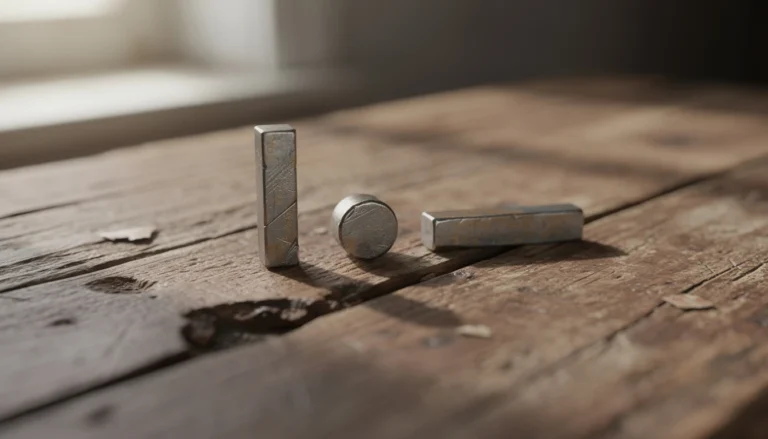
Morse code remains a fascinating method for communicating through dots and dashes. The character “k in morse code” stands out as one of the symbols frequently used by radio operators worldwide. Exploring its representation, historical significance, and practical applications reveals just how versatile the dash-dot-dash (-.-) can be in both casual and professional exchanges.
What is the representation of k in morse code?
The letter “k” in morse code is denoted by the sequence dash-dot-dash, written as “-.-“. This arrangement makes it distinct among the morse code alphabet thanks to its unique combination of signals. When transmitting messages via sound, light, or text, this pattern allows experienced listeners or viewers to quickly identify the letter.
The international morse code standardizes these sequences to guarantee consistent communication across languages and regions. The clear distinction of k in morse code representation helps prevent misunderstandings, especially in noisy or low-visibility environments.
Why does k have a special role in morse code communication?
While every letter has its own signal in the morse code alphabet, “k” carries added importance beyond simple spelling. Telegraph and radio operators adopted the “k” symbol as shorthand for inviting a response—sending “-.-” at the end of a message means “go ahead,” signaling that the recipient may transmit next.
This tradition continues among amateur radio hobbyists and certain emergency services today. Because of this usage, understanding the meaning of k in morse code goes beyond theory and plays a real-world role in ensuring efficient, orderly communications.
How does k fit into the morse code alphabet?
The morse code alphabet assigns each letter a distinctive sequence of dots and dashes. K’s structure—dash-dot-dash (-.-)—follows foundational patterns that unify the alphabet. Once familiar with basic rules and shapes, learning new letters becomes much easier.
Here is an overview showing how k in morse code compares to several other common representations:
- A: dot-dash (.-)
- K: dash-dot-dash (-.-)
- S: dot-dot-dot (…)
- M: dash-dash (–)
- X: dash-dot-dot-dash (-..-)
The rhythm and shape of each sequence offer cues for auditory or visual recognition, making any morse code chart/list a helpful reference during training or active operation.
Practical ways to transmit the dash-dot-dash symbol
Sending “k” in morse code involves reproducing the dash-dot-dash (“-.-“) pattern clearly enough for the receiver to recognize. Whether using a telegraph key, flashlight, buzzer, or hand gesture, clarity depends on correct timing—the dash must last three times longer than the dot.
Many operators practice with a morse code translator tool to build confidence and accuracy. These tools convert typed letters into audible beeps or flashes, helping learners grasp the required rhythm for each symbol. Practicing until distinguishing between dash and dot feels natural pays off when speed or environmental noise becomes a challenge.
Audible and visual signaling techniques
To produce “k in morse code” audibly, a beeping device or tapping the surface in the proper sequence works well. The audience should distinctly hear the long-short-long pattern, with brief pauses separating each element for complete clarity.
If signaling visually, a flashlight or flag can mirror the sequence: a steady beam or movement represents the dash, while a quick flick or wave signals the dot. A careful observer will immediately recognize this rhythm as the international morse code equivalent for “k”.
Digital and software-based transmission
Modern technology simplifies encoding and decoding k in morse code representation. Online morse code translator tools allow users to input a message and instantly see or hear the relevant morse code symbols. Many platforms provide options to adjust playback speed, making them ideal for both beginners and experienced users.
Software applications even support conversations using only dashes and dots, opening up communication possibilities where voice or writing are not practical—such as underwater operations or noisy industrial settings.
How do people learn morse code for letters like k?
Learning the morse code for letters requires repetition and active engagement. Many use mnemonic aids that link specific rhythmic patterns with memorable phrases or images. For instance, some imagine the dash-dot-dash of “k” as resembling knocking, pausing, and knocking again.
Access to comprehensive morse code charts and regular practice sessions accelerates mastery. Some organized classes and clubs exist specifically to keep the tradition alive, blending history with hands-on exercises and group activities.
When and why is k used in modern communication?
K’s traditional function as a response cue persists in amateur radio circles and certain police or military operations relying on concise codes. Its wide recognition keeps it valuable even as digital channels expand. Emergency responders also value the simplicity and reliability of signaling with morse code when other forms break down.
Common uses include:
- Inviting replies during CW (continuous wave) radio transmissions
- Signaling readiness to exchange information within groups
- Communicating discreetly using light, buzzers, or tactile methods
The standardized nature of the alphabet and k in morse code ensures that lessons learned decades ago remain applicable today, bridging generations and technologies.
Answers to common questions on k in morse code
What is the exact morse code representation of the letter k?
The letter k in morse code is conveyed with the sequence dash-dot-dash, represented as -.- in international morse code. This pattern consists of a long signal, a short signal, and another long signal, always separated by brief pauses.
- Dash: three units
- Dot: one unit
- Dash: three units
The pause between each symbol inside the same letter is always one unit long.
How to send k in morse code using different methods?
Multiple approaches exist for sending k in morse code. One may tap or beep out the dash-dot-dash rhythm, or use a flashlight to flash the sequence with accurate timing. Morse code translator/tools help practice by converting typed text into the correct series of signals, both visually and audibly.
- Tap or beep: long-short-long
- Flashlight: long flash, short flash, long flash
- Software: input “k” to output “-.-”
Where does k usually appear within the morse code chart or list?
On most morse code charts/lists, k appears after j and before l, following the standard alphabetical order. Each letter in the chart corresponds to its own set of morse code symbols, providing a convenient reference for learning or operating.
| Letter | Morse Code |
|---|---|
| J | .— |
| K | -.- |
| L | .-.. |
What practical tips help recognize or remember k in morse code?
Linking the dash-dot-dash pattern to a familiar sound, such as two knocks with a pause, makes recall easier. Repetition and frequent use of a morse code translator/tool reinforce memory. Visual learners may benefit from drawing or writing the sequence repeatedly.
- Create simple mental images for the pattern
- Practice tapping the sequence daily
- Use practice apps for instant feedback