
For many, Morse code seems like a relic from another era. Often associated with the tapping of telegraph keys in classic films or tales of pioneering explorers, it conjures images of an age long past. Yet, for those interested in the history of communication, the question remains: is Morse code still used today? Beyond nostalgia, this distinctive language of dots and dashes continues to play meaningful roles in specific fields, even if not as widely used as before.
From amateur radio/ham radio operators maintaining connections across continents, to its subtle presence in aviation and military contexts, Morse code’s journey extends far beyond old textbooks. Its historical significance set the foundation for modern messaging technology, while new enthusiasts and practical demands keep it relevant. Discover where Morse code persists, why it has never entirely faded away, and how it is finding renewed purpose in unexpected places.
How Morse code became essential to communication
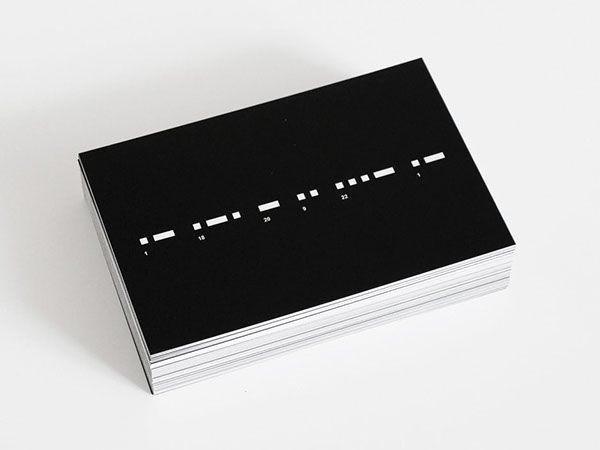
Morse code was much more than just another invention; it transformed long-distance communication well before the telephone era began. Using simple taps and pauses, people could bypass communication barriers caused by distance, conflict, or differing languages. This system quickly became crucial to early telegraph services, linking continents and shaping diplomacy, journalism, and global industries.
Mastering Morse code required patience and discipline, offering a universal medium that even transcended different alphabets. For generations, proficiency in Morse was essential for anyone seeking to send messages efficiently across vast oceans or remote regions.
Where can Morse code still be found today?
While smartphones and satellites now dominate worldwide communications, Morse code has not disappeared completely. Its influence endures within specialized communities, through a revival/comeback among enthusiasts, and in situations where other systems might fail. In several areas of modern life, this resilient code continues to prove its worth.
Amateur radio/ham radio operators
One of the most vibrant arenas where Morse code thrives is the world of amateur radio. Dedicated hobbyists refine their skills with Morse, often favoring it for its reliability and efficiency, especially when signals are weak or conditions are challenging. Many contests and awards still promote Morse proficiency, encouraging tradition and fostering community across generations.
The rhythmic pulse of dots and dashes offers more than a sense of nostalgia. For many, deciphering these patterns is both meditative and intellectually stimulating. Newcomers regularly join established networks, ensuring that the tradition not only survives but also evolves alongside new technologies.
Aviation and radio navigation aids
Aviation continues to benefit from Morse code, particularly in the realm of radio navigation aids. Numerous navigational beacons, such as Non-Directional Beacons (NDBs) and VHF Omnidirectional Range (VOR) stations, identify themselves using brief Morse signals. Pilots listen for these coded identifiers to confirm their positions, enhancing safety during poor weather or limited visibility.
Although satellite-based navigation has expanded possibilities, backup systems based on Morse identification remain vital. The combination of established and new methods ensures redundancy should advanced technology encounter problems.
Military use and emergency communication/signals
Despite advances in encrypted communications, Morse code retains a role in some military operations and emergency communication/signals. Its effectiveness shines in environments affected by electronic warfare or equipment failures. Manual signaling—using flashlight blinks, improvised radio taps, or similar techniques—makes Morse valuable for relaying urgent messages in difficult circumstances.
In emergencies, recognizable patterns such as the famous SOS call provide a lifeline when speaking may be impossible due to injury or danger. A simple sequence of knocks or flashes can alert rescue teams, reinforcing Morse code’s reputation as a reliable last resort.
Why Morse code won’t disappear completely
There are compelling reasons behind Morse code’s continued relevance. Its survival owes less to nostalgia and more to practical benefits, especially in situations where reliability or minimal infrastructure matters most.
Simplicity and accessibility
Unlike complex digital systems, Morse code can be transmitted using almost any device capable of creating two distinct signals—light flashes, metal taps, or short audio tones suffice. This flexibility allows it to function where electricity or sophisticated equipment is unavailable.
Learning Morse bridges cultures and generations, providing a direct link to humanity’s enduring desire for connection. Educators and historical societies value this aspect, making Morse a popular teaching tool and centerpiece for interactive exhibits.
Revival/comeback among new generations
Recently, social media and online platforms have sparked a modest revival/comeback, drawing young learners eager to decode secret messages or participate in global treasure hunts. Escape rooms, video games, and puzzles increasingly feature Morse, piquing curiosity in audiences previously unfamiliar with it.
Memes and viral challenges help ensure that this time-tested system remains contemporary—even playful—in public consciousness. What once served as a critical means of survival now enjoys new life as intellectual sport and shared secret among enthusiasts.
The ongoing relevance of Morse code’s historical significance
Historical significance permeates every aspect of Morse code’s existence. While it is not as widely used as before, its influence shaped the structure of global communication. Museums, documentaries, and reenactments showcase its pivotal role in moments of discovery, wartime innovation, and international rescue efforts.
This symbolic importance keeps Morse code visible in commemorations, educational projects, and public demonstrations. Even as its everyday use declines, recognition of its timeless value connects past achievements with future potential.
- Morse code bridges analog and digital eras in communication.
- Pilots, sailors, and adventurers trust it for emergency communication/signals.
- Licensed ham radio operators maintain traditional Morse skills.
- STEM educators bring lessons to life using hands-on Morse transmitters.
Frequently asked questions about Morse code’s use today
Do professional organizations still require knowledge of Morse code?
Most professional organizations—including commercial maritime and aviation authorities—no longer mandate knowledge of Morse code. Regulatory changes reflect broader technological advancements. However, expertise persists in certain areas such as aviation radio navigation aids and search-and-rescue units.
- Military training may include Morse for select radio operators.
- Pilots learn to recognize airport beacons via Morse identification.
Why do amateur radio/ham radio operators still use Morse code?
Enthusiasts continue utilizing Morse code because it transmits clearly at lower power and in noisy environments, outperforming voice modes under certain conditions. It also fosters camaraderie as clubs and contests celebrate this enduring tradition.
- Morse enables international contacts without language barriers.
- Many appreciate the challenge and rhythm of sending and receiving messages.
Can Morse code be helpful in emergencies today?
Emergency communication/signals employing Morse code remain dependable when voice contact fails or equipment breaks down. Simple tools—a whistle, flashlight, or horn—are sufficient to transmit recognizable patterns, especially the internationally recognized SOS signal.
| Signal type | Example |
|---|---|
| Audio (horn) | Three short, three long, three short blasts |
| Visual (flashlight) | Blinking in DOT/DASH rhythm |
Is learning Morse code difficult for beginners?
With regular practice, many find Morse code accessible thanks to its rhythm-based memorization. Modern apps, web resources, and interactive games make learning rewarding and manageable.
- Starting with basic letters and common words helps build confidence.
- Consistent practice leads to significant improvements in speed and comprehension.